
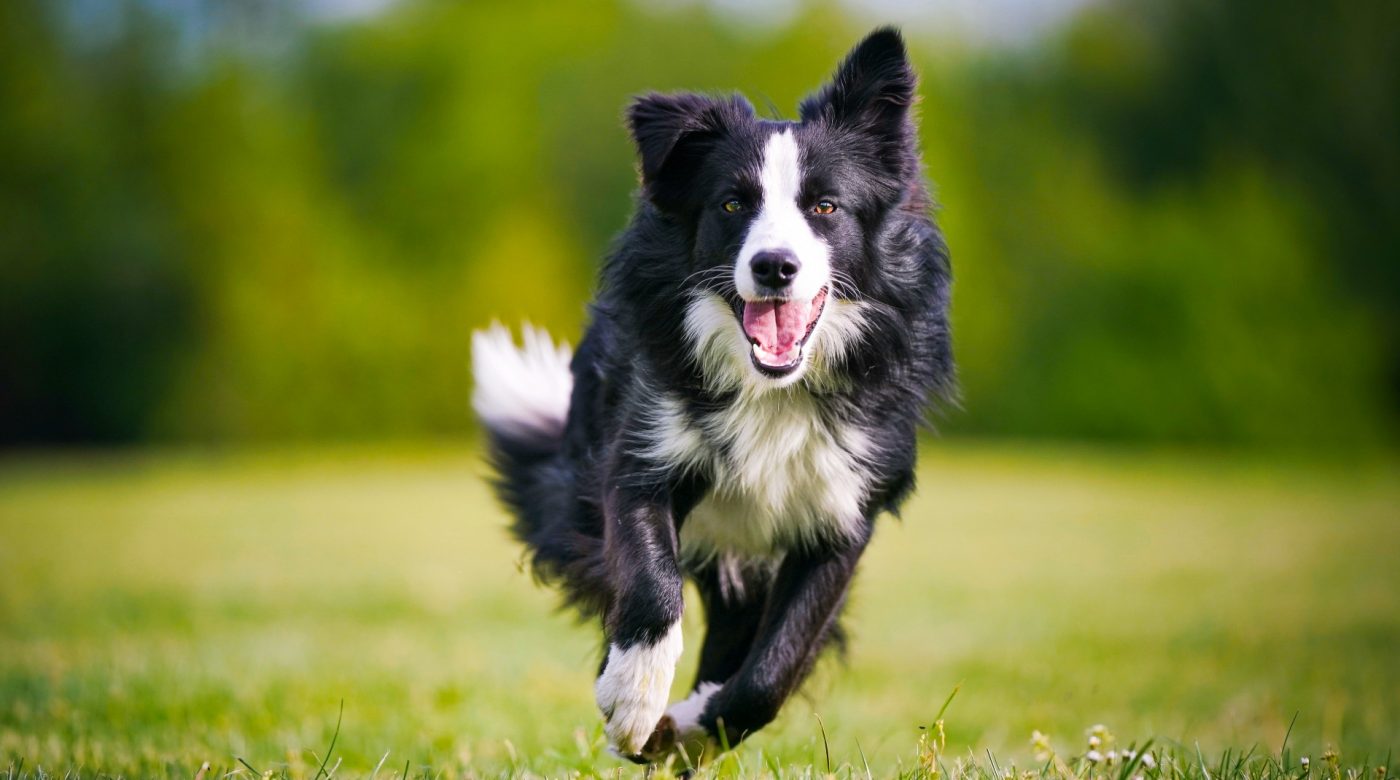
Running, hiking, agility, flyball and energetic play can be excellent outlets for an active dog. Joint care is not about avoiding movement; it is about preparing for it, building capacity gradually and allowing appropriate recovery.
Match the workload to the dog
Breed, age, fitness, previous injury and general health all affect what is appropriate. Increase distance, speed or technical difficulty gradually rather than changing several things at once. Puppies and growing dogs need activity suited to their stage of development; Hip & Joint Complete is for adult dogs only.
Warm up before demanding activity
Start with controlled walking and gentle movement before sprints, repeated jumping or sharp turns. A warm-up should prepare the dog, not tire them. Cool down with easy walking rather than stopping immediately after intense work.
Plan recovery as part of training
Adapt the next session if your dog seems unusually tired or moves differently after exercise. Rest does not always mean complete inactivity: a quiet walk or low-intensity training day may be appropriate, depending on the dog and any professional advice.
- Alternate higher- and lower-intensity days.
- Avoid repeating the same high-impact drill for long periods.
- Provide water and suitable breaks.
- Check paws, nails and equipment after activity.
Use suitable surfaces and equipment
Traction matters during acceleration, landing and turns. Wet grass, loose ground and smooth indoor flooring can change the risk. Harnesses, collars and sporting equipment should fit correctly and allow normal movement.
Maintain healthy body condition
Active dogs can still gain weight when training changes or treats increase. They can also lose condition if energy intake is inadequate. Regularly assess body and muscle condition with your vet, especially during a new training block.
Supplements are only one part of the plan
If you choose a joint supplement, check the intended life stage, labelled serving and daily active ingredient amounts. Do not increase the serving to match a hard training day. Ask your vet before use with medication, another supplement or an existing condition.
Stop the activity and seek veterinary advice for lameness, obvious pain, swelling, weakness or a persistent change in gait. A well-managed routine supports comfortable movement over time by combining preparation, progressive training, recovery and prompt attention to change.